Insurance adjusting is not a one-size-fits-all career. Whether you work remotely as a desk adjuster or travel as a field or CAT insurance adjuster, how you earn income, manage expenses, and handle taxes varies significantly. Understanding these differences is critical for staying organized, tax-ready, and financially confident year-round. Bookkeeper-Cat Adjuster-Adjuster Income Insights
Desk Adjusters: Steady Income, Lower Expenses
Desk adjusters (sometimes called chat or virtual adjusters) typically work from home using online claims systems. Their income is often more consistent, with fewer gaps between assignments and less income fluctuation.
Because desk adjusters operate remotely, their business expenses tend to be lower and more predictable. Common deductible expenses include:
- Home office expenses
- Internet and phone service
- Software subscriptions
- Office equipment and supplies
Even with fewer expenses, accurate bookkeeping is essential. Without proper tracking, income can still be misreported and deductions can be missed, leading to unnecessary tax issues.
Field and CAT Adjusters: Variable Income, Complex Expenses
Field and CAT insurance adjusters experience a very different financial reality. Income often fluctuates based on storm activity, deployment length, and carrier assignments. One month may be highly profitable, while the next includes little or no income.
Expenses are also more frequent and complex, including:
- Travel and airfare
- Lodging and short-term housing
- Fuel and vehicle mileage
- Meals and per diem expenses
- Equipment and field supplies
Without organized bookkeeping, these costs can easily fall through the cracks—especially during busy deployments. Missed expenses often result in higher taxable income and larger tax bills than necessary.

1099 Pay Means You Must Plan for Taxes
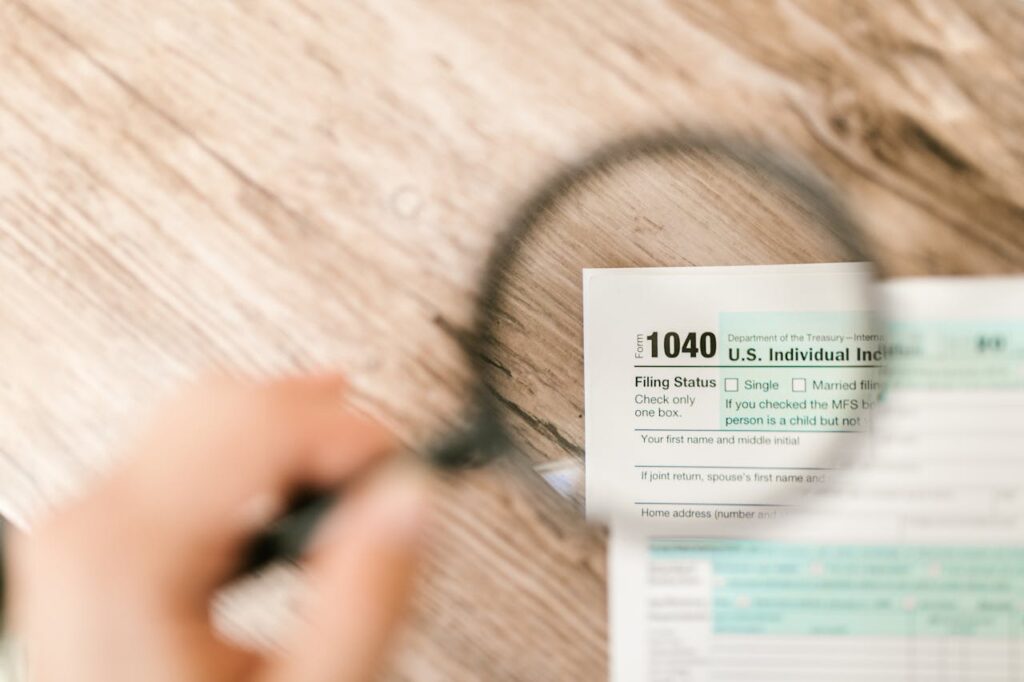
Most desk, field, and CAT adjusters are paid as 1099 independent contractors, which means no taxes are withheld from payments. Self-employment tax, federal income tax, and sometimes state taxes must be planned for throughout the year.
A common mistake adjusters make is using the same tax approach regardless of how they work. In reality, desk adjusters and CAT adjusters require different tax and bookkeeping strategies based on income patterns and expense volume.
Why Bookkeeping Should Match Your Adjusting Role
The truth is, not all adjusters should manage their finances the same way. Proper bookkeeping for insurance adjusters should include:
- Income tracking by client, carrier, or deployment
- Accurate expense categorization
- Ongoing tax planning—not last-minute tax prep
When your bookkeeping system matches how you work, your finances become clearer and easier to manage.
Bookkeeping Support Built for Insurance Adjusters
Working with a bookkeeper who understands the insurance adjusting industry helps ensure your financial setup aligns with your real-world work conditions. Whether you’re handling claims from home or deployed after a storm, the right bookkeeping support protects your income, reduces stress, and keeps you compliant all year long.
Bookkeeper-Cat Adjuster-Adjuster Income Insights
CS Bookkeeper specializes in bookkeeping for CAT insurance adjusters and independent adjusters who want clarity, organization, and peace of mind—no matter where the job takes them.
Bookkeeping for Insurance Adjusters & Independent Contractors